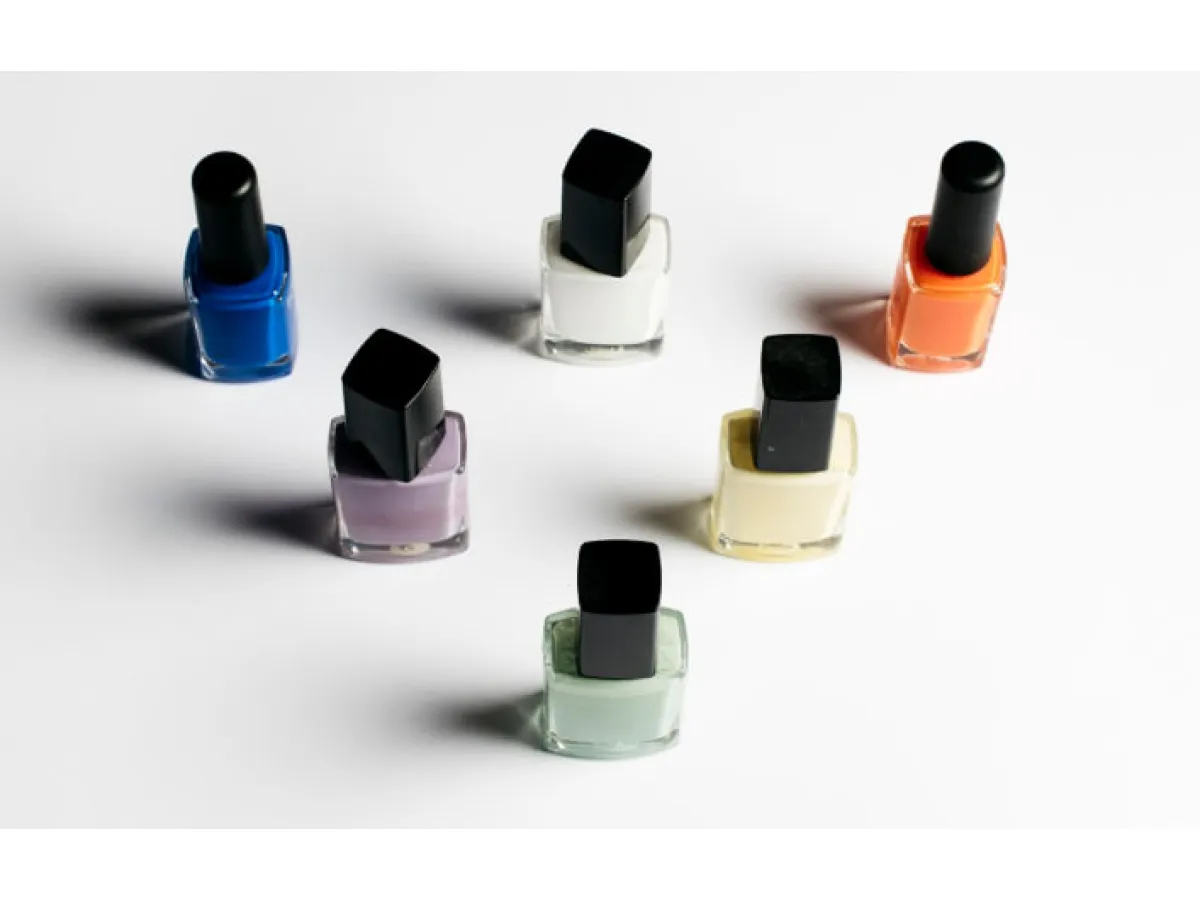
A gel polish base acts as the foundation for the entire finish. Without it, the color layer quickly loses its durability, chipping and peeling. It ensures a secure bond with the natural nail plate, protects the nail from staining, and extends the life of the manicure to three to four weeks. Many nail technicians note that choosing the right base can solve half the wear issues. This is especially true for those with an active lifestyle, where hands are constantly exposed to wear.
What is a gel polish base and what functions does it perform?
A base coat is a special polymer coating applied as the first layer after prepping the nail. It evens out the surface, filling in small cracks and imperfections, creating the perfect base for the color. Furthermore, the base coat strengthens thin or brittle nails, reducing the risk of breakage. It prevents the gel polish pigments from penetrating the nail plate, which is especially important for light and vibrant shades.
A base coat's functions go beyond adhesion. It cushions impacts and micro-movements of the nail, reducing chipping. Clear options preserve a natural look, while pigmented ones add color density. Compared to regular polishes, a base coat makes the manicure longer-lasting and more comfortable to wear, minimizing the feeling of heaviness or stiffness.
Types of bases: rubber, camouflage, leveling
Among the wide variety, there are several main types, each addressing specific needs. A rubber base is an elastic coating infused with rubber or its analogs. It has a thick consistency, self-levels well, and creates a flexible yet durable layer. This base is ideal for problematic nails: it follows the natural movement of the nail plate, absorbs shock, and prevents cracks.
Camouflage bases contain pigment that conceals yellowness, stains, or uneven tone. They are used under French manicures or light colors to achieve even coverage without show-through. Smoothing bases are characterized by increased density and the ability to fill deep grooves and ripples in a single coat. They are especially helpful for those with more pronounced imperfections.
When comparing types, a rubber basecoat wins for versatility and elasticity, while a camouflage basecoat is better for aesthetics. Hard, leveling basecoats provide maximum durability but can feel heavier on thin nails. The choice depends on the condition of the nail plate and the desired effect.
How to choose a base coat for your nail type and finish
Choosing a base coat is a question that many nail technicians and home nail artists ask themselves. Consider the condition of your nails first. For healthy, strong nails, a standard, flexible base coat of medium thickness is suitable—it will provide good adhesion without adding unnecessary stress. Thin, flexible, or flaky nails require a thicker rubber base coat: it strengthens and smooths the nails, reducing the risk of breakage.
If your nails are short and need to be visually lengthened, choose camouflage options with a light tint. For long nails or extensions, it's best to choose a hard, leveling base coat that will hold its shape in stressed areas. A clear base coat is ideal for dense, dark gel polishes, while a camouflage base coat is ideal for light or white French manicures to prevent shine through.
The best gel polish base also depends on the application technique and the curing lamp. Thick rubber bases are easy to level but can sting more under the lamp, so cure them in stages. Always check compatibility with your gel polishes and top coat. Test on one nail to ensure there are no allergies or peeling. Choosing the right base reduces the number of touch-ups and increases customer satisfaction.
Common mistakes when applying foundation and how to avoid them
One of the biggest mistakes is inadequate nail preparation. If the old polish isn't completely removed, the surface isn't buffed, and degreased, the base coat will lay unevenly and peel off quickly. Always use a medium-grit buffing pad and a high-quality degreaser.
Another common problem is incorrect layer thickness. A layer that's too thick won't dry completely, causing bubbles and peeling. A layer that's too thin won't provide adequate adhesion. Apply the base coat with a thin, rubbing motion near the cuticle, then spread a drop toward the free edge, sealing the edges. Avoid contact with the skin—this is the main cause of peeling.
Many people forget about the dispersion layer or remove it too early. Don't touch the sticky layer before applying the color—it improves adhesion. Another mistake is not following the curing time. Cure each layer strictly according to the lamp instructions, otherwise the coating will remain soft and quickly lose its appearance.
To avoid these problems, work in a well-lit area, use high-quality tools, and take your time. Practice and attention to detail quickly pay off: your manicure will last longer, look neat, and please your client.
If you're looking for reliable supplies for a professional manicure, check out NailLand.cz. They offer a wide selection of base coats, gel polishes, and accessories that will help you create a long-lasting and beautiful finish without the hassle. High-quality products simplify your work and enhance your service.