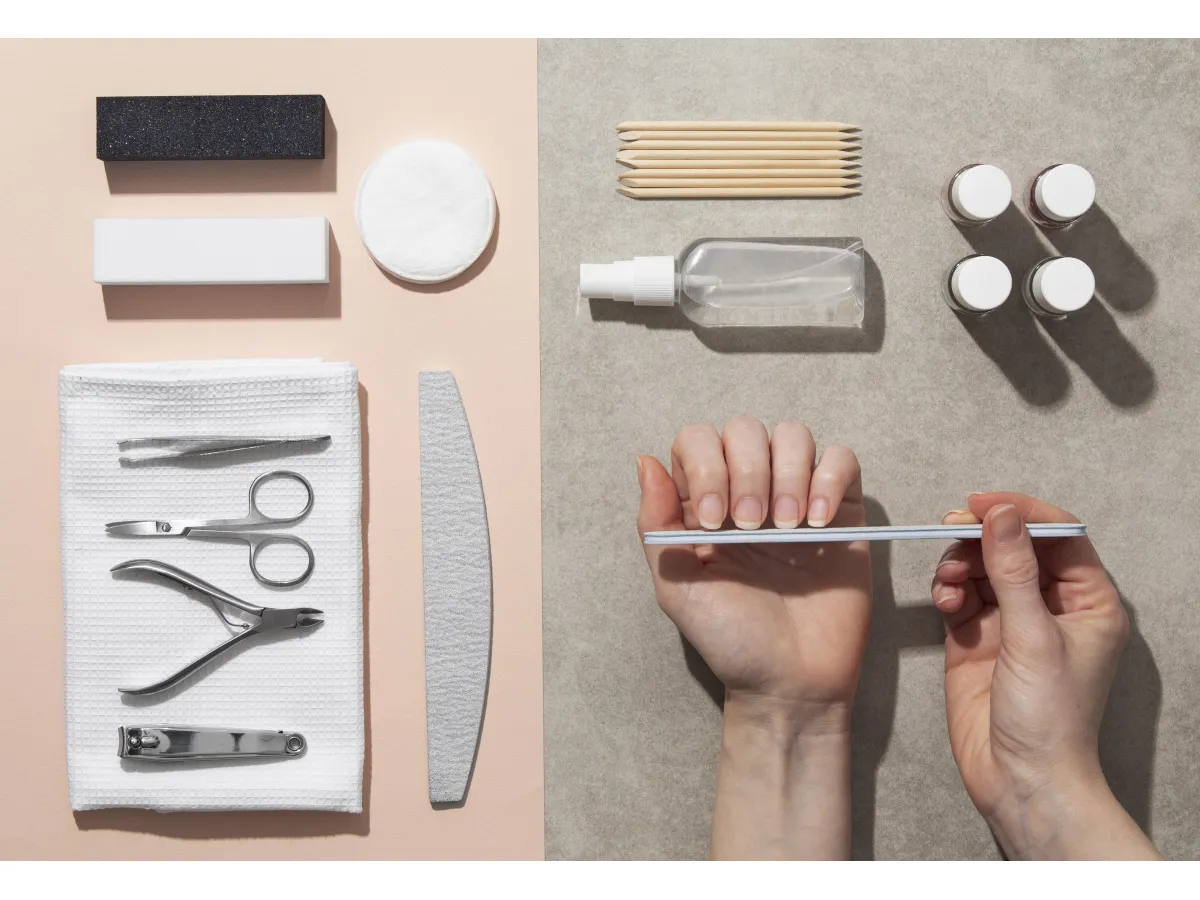
Many technicians learn the hard way that a seemingly good deal on tools ends up costing more in time, client comfort, and replacement frequency. The difference between a kit that lasts years and one replaced every few months often comes down to a handful of avoidable errors.
Buying Based on Price Alone
The lowest price tag almost always signals compromises. Thin stainless steel that bends under pressure, poorly aligned blades that pull instead of cut, or coatings that flake off after the first few sterilizations—these are common in budget sets. Professionals who chase the cheapest option usually replace nippers or pushers twice as often, making the initial “saving” disappear quickly. A mid-range or higher-quality piece with proper heat treatment and precise assembly frequently outlasts three or four cheap alternatives combined.
Ignoring Material Grade and Finish
Not all stainless steel performs the same. Tools marked simply “stainless” can be low-grade alloys that corrode faster or lose sharpness sooner. Surgical-grade (often 420 or 440C) or cobalt-reinforced steel holds an edge longer and resists pitting even after hundreds of autoclave cycles. Another frequent oversight is buying polished chrome-plated tools without realizing the plating wears through quickly, exposing the base metal to moisture and disinfection chemicals. Matte or brushed finishes on quality steel usually signal better corrosion resistance than shiny budget chrome.
Choosing the Wrong Size or Shape for Your Hands
Ergonomics get overlooked until hand fatigue sets in after a full day. Many buy popular “standard” nippers only to discover the handles are too wide for smaller hands or too short for longer fingers, forcing an unnatural grip. Jaw length matters just as much—longer jaws (8–10 mm) suit technicians who prefer broad sweeping cuts, while shorter jaws (4–6 mm) offer superior control on small or curved nail beds. Trying tools in person or reading detailed size charts prevents months of discomfort.
Overlooking Spring Tension and Action
Spring strength directly affects precision and fatigue. Single-spring nippers often feel mushy and require more force, leading to shaky cuts. Double or triple springs provide crisp, controlled closure with less effort. A common mistake is assuming “stronger spring = better.” Overly stiff tension tires fingers rapidly and makes fine cuticle work feel clumsy. The sweet spot is firm yet smooth—something you can only judge by testing or trusting reviews from full-time users.
Skipping Hygiene and Maintenance Considerations
Tools with visible seams, rough joints, or tiny crevices trap debris no matter how carefully you clean them. This leads to faster dulling and higher infection risk. Many technicians buy attractive-looking sets without checking whether parts disassemble easily for deep cleaning. Autoclave-safe construction is non-negotiable in professional settings, yet some inexpensive imports warp or discolor after a few cycles. Always confirm full disassembly and material compatibility with your preferred sterilization method.
Purchasing Sets Instead of Individual Pieces
Pre-packaged kits frequently include fillers—extra files, buffers, or oddly shaped tools you rarely use—while skimping on the critical items like high-quality nippers or durable pushers. Experienced nail pros almost always build kits piece by piece, prioritizing the tools they reach for most often. Starting with one excellent nipper and one reliable pusher, then adding specialized files or bits as needed, usually yields a more functional and longer-lasting collection than any all-in-one box.
Not Testing Before Committing
Photos and descriptions hide a lot. Blade alignment might look perfect online, yet arrive misaligned by a hair. Handle texture can feel slippery in real life. Whenever possible, order from suppliers that offer returns or buy one piece first to test in actual services. This small step avoids the frustration of discovering a flaw only after using the tool on paying clients.
Expecting Professional Results from Hobby-Level Tools
Home-use or beginner kits often carry “professional” in the name, but the steel, heat treatment, and assembly differ significantly. They work fine for occasional manicures yet fail under daily salon volume. Mistaking these for salon-grade tools leads to constant sharpening, frequent breakage, and inconsistent performance that clients notice immediately.
Rushing Purchases Without Research
Impulse buys based on influencer recommendations or flashy packaging skip the most important step—matching tools to your specific workflow. Gel specialists need different file grits and bit shapes than someone focused on classic manicures. Taking time to define your most frequent tasks first prevents ending up with a drawer full of rarely used items.
Avoiding these pitfalls means investing smarter, not necessarily more expensively. Quality tools reduce hand strain, shorten service time, and improve client comfort—benefits that show up in repeat bookings and referrals. NailLand.cz focuses on durable, well-balanced implements built for the realities of daily professional use, so technicians spend less time fighting their tools and more time perfecting their craft.